Skip to content

Scenic Portugal

Imagine a journey unfolding across Portugal from north to south, beginning in Viana do Castelo, where the sea and mountains frame a town of tiled houses and quiet plazas. The path drifts southward to Porto, conjuring images of steep hills lined with colorful façades, the shimmer of the Douro River, and the deep, velvety richness of port wine waiting in centuries-old cellars.

From there, the vision shifts to Lisbon, where sun-washed hills rise above the Tagus, and the air hums with music and the scent of grilled fish. Finally, the journey settles in Faro, imagined as a gateway to golden beaches and calm lagoons, where the warmth of the Algarve softens the scene into a gentle close.

Course map

Use this journey to visualize collective, individual, or team progress. Set any goal and MoveZenGo scales the route to match it.

Included milestones

Participants unlock these milestone badges during the challenge. Each milestone can trigger a personalized email with more information about the location.

Viana De Castelo

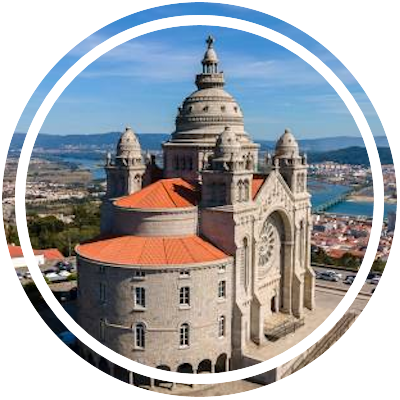
Viana do Castelo, perched along Portugal’s rugged Atlantic coast, is known for its maritime traditions and striking natural scenery. Historically tied to shipbuilding and fishing, it remains one of the most culturally authentic towns in northern Portugal. Its location, nestled between the Lima River and the mountains, makes it a gateway to both coastal beauty and inland adventures. Visitors should not miss the Sanctuary of Santa Luzia, perched high above the town, offering panoramic views that stretch from the ocean to the lush countryside. The historic center is full of Manueline and Renaissance architecture, best enjoyed on a leisurely walk through Praça da República. For those interested in folklore, the local traditional costumes and the annual Romaria da Nossa Senhora da Agonia festival provide a vibrant immersion into Portuguese heritage.
Guimarães

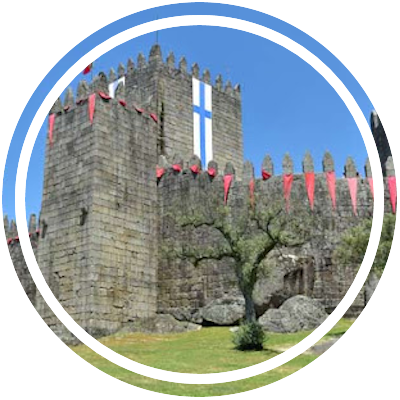
Often called the “birthplace of Portugal,” Guimarães holds a special place in the country’s identity as the first capital of the emerging nation in the 12th century. Its beautifully preserved medieval center is a UNESCO World Heritage Site, filled with cobbled lanes and historic stone buildings that tell the story of Portugal’s foundation. The centerpiece is Guimarães Castle, where Portugal’s first king, Afonso Henriques, grew up. Equally iconic is the Palace of the Dukes of Braganza, with its Gothic halls and striking collection of artifacts. Beyond the monuments, the city buzzes with a youthful energy thanks to its university and cultural events. Guimarães is the perfect mix of deep history and modern vibrancy.

Porto

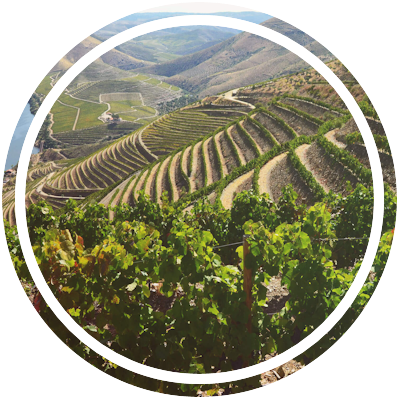
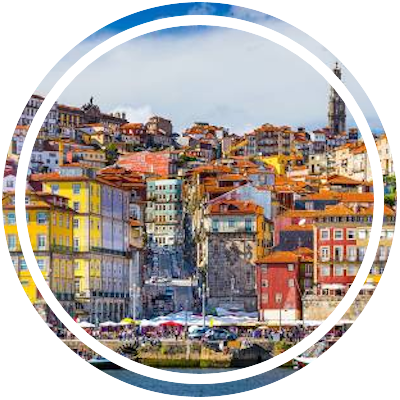
Porto, Portugal’s second-largest city, is famed worldwide for its namesake port wine and stunning location on the Douro River. With its terraced hillsides, azulejo-clad churches, and bustling riverfront, Porto is both a cultural powerhouse and a feast for the senses. Its historic center, Ribeira, is another UNESCO World Heritage Site that enchants visitors with winding alleys and colorful houses cascading toward the river. No visit is complete without crossing the Dom Luís I Bridge for sweeping views or visiting a wine cellar in Vila Nova de Gaia to sample the region’s renowned vintages. Architectural highlights include the Baroque Clérigos Tower, the ornate Church of São Francisco, and the spectacular Livraria Lello, one of the most beautiful bookstores in the world. Porto is equal parts tradition and innovation, with its thriving culinary scene adding to its irresistible charm.

Aveiro

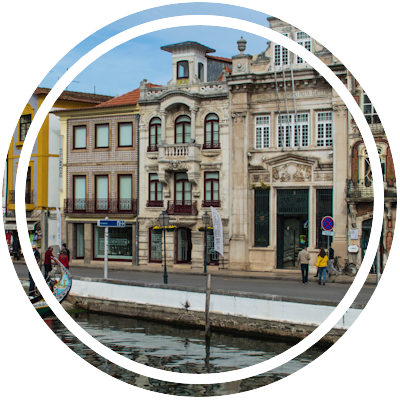
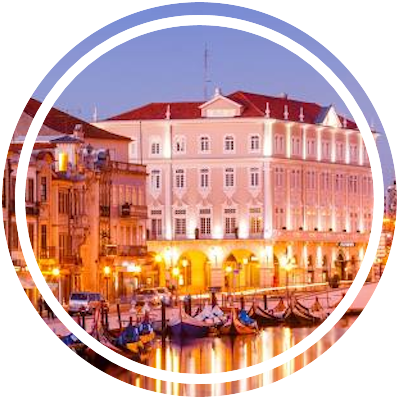
Known as the “Venice of Portugal,” Aveiro charms with its network of canals navigated by colorful moliceiro boats once used for seaweed harvesting. Situated on Portugal’s Silver Coast, the city blends maritime heritage with Art Nouveau elegance and modern university life. Its location also makes it an ideal base for exploring sandy beaches and the nearby salt pans. Top sights include the Aveiro Museum housed in a former convent, the striking Art Nouveau Museum, and the bustling fish market. Visitors should sample the city’s iconic sweet, ovos moles, a creamy egg-based treat wrapped in wafer. Just a short trip away are the Costa Nova beaches, lined with candy-striped houses that are among the most photographed spots in Portugal.

Coimbra

Coimbra, once Portugal’s medieval capital, is best known today for its prestigious university, one of the oldest in Europe. Perched high above the city, the University of Coimbra is a UNESCO World Heritage Site, renowned for its Baroque Joanina Library and academic traditions. The town’s layered history stretches back to Roman times, giving it a richly textured cultural identity. Walking through Coimbra’s streets reveals Roman ruins, medieval churches, and the hauntingly beautiful Monastery of Santa Clara-a-Velha along the Mondego River. The city is also a cultural hub for fado, with a distinctive style of Coimbra fado sung by male students and alumni. This mix of history, architecture, and tradition makes Coimbra an essential stop for travelers seeking both learning and atmosphere.

Batalha

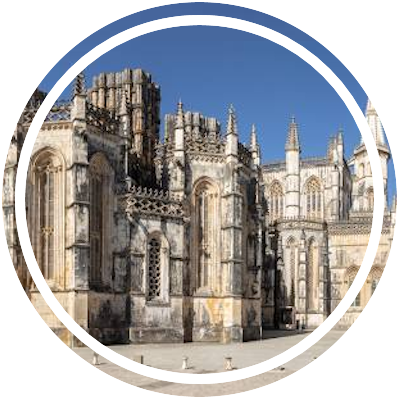
Batalha, a small town in central Portugal, owes its fame to the magnificent Batalha Monastery, one of the country’s most important Gothic landmarks. Built to commemorate Portugal’s victory over Castile in the 1385 Battle of Aljubarrota, the monastery is a symbol of national pride and resilience. It is also a UNESCO World Heritage Site and a masterpiece of Manueline design. Inside the monastery, visitors find intricate stonework, the Founders’ Chapel, and the unfinished chapels that showcase Portugal’s late Gothic artistry. Beyond the monastery, Batalha serves as a quiet but strategic base for exploring nearby attractions, including the caves of Mira de Aire and the pilgrimage town of Fátima.

Cartaxo

Cartaxo, located in the Ribatejo region, is often called the “Wine Capital of the Ribatejo.” The fertile plains along the Tagus River have made it a center of agriculture and viticulture for centuries. This connection to the land is still strong, with local vineyards producing some of Portugal’s lesser-known but excellent wines. Visitors can explore wine estates offering tastings and tours or enjoy regional cuisine paired with robust Ribatejo reds. Cartaxo is also a good gateway for experiencing traditional Portuguese bullfighting and folk festivals. While less touristy than other towns, its authenticity and proximity to Lisbon make it a rewarding stop for travelers seeking a taste of local life.

Lisboa

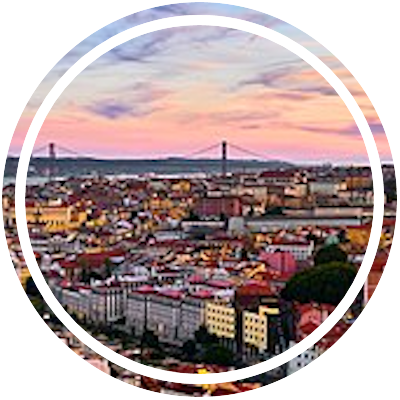
Lisbon, Portugal’s vibrant capital, is a city of seven hills, historic trams, and sweeping views over the Tagus River. Known for its maritime heritage, Lisbon was the launch point for many great Age of Discovery voyages. Today it blends tradition with modern cosmopolitan flair, making it one of Europe’s most dynamic capitals. Key attractions include the UNESCO-listed Jerónimos Monastery and Belém Tower, both testaments to Portugal’s seafaring past. The Alfama district offers a labyrinth of narrow alleys and the soulful sound of fado, while the lively neighborhoods of Bairro Alto and Chiado provide nightlife and shopping. Lisbon’s mix of tiled facades, vibrant plazas, and panoramic miradouros (viewpoints) ensures there’s something magical around every corner.

Montemer- o -Novo

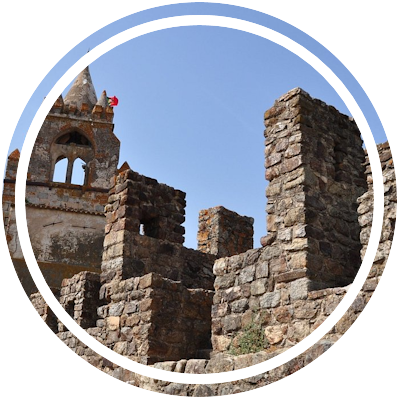
Montemor-o-Novo, located in the Alentejo region, is a historic town crowned by a medieval castle that dominates the skyline. The town’s whitewashed houses and quiet streets reflect the slower pace of rural Portugal, offering visitors a chance to immerse themselves in traditional life. The ruins of Montemor Castle provide expansive views over the plains, while the Convent of Nossa Senhora da Saudação holds artistic treasures. The town is also a good base for exploring the surrounding Alentejo countryside, with its cork oak forests, olive groves, and archaeological sites like Escoural Cave, known for prehistoric cave paintings.

Beja

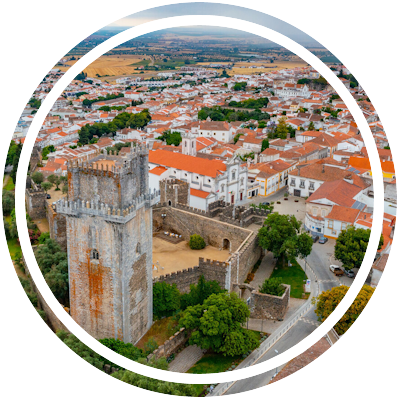
Beja, also in the Alentejo, has roots stretching back to Roman times when it was known as Pax Julia. Its rich history is reflected in layers of Roman, Moorish, and medieval architecture. The imposing Beja Castle, with its tall keep, offers some of the best views over the vast Alentejo plains. The town is home to the Regional Museum housed in the former Convent of Nossa Senhora da Conceição, which contains a remarkable collection of sacred art. Beja is less crowded than other destinations, making it a great stop for travelers who want a quieter encounter with Alentejo’s history and cuisine, especially its hearty stews and renowned wines.

Faro

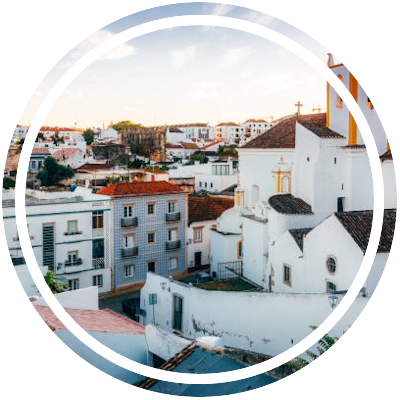
Faro, the capital of the Algarve region, is often seen as just a gateway for flights, but it has a fascinating old town and rich cultural life of its own. Enclosed by medieval walls, Faro’s Cidade Velha offers cobbled streets, charming squares, and the impressive Arco da Vila. Its marina and proximity to the Ria Formosa lagoon make it a scenic and appealing stop. Highlights include the Faro Cathedral, the Carmo Church with its striking Chapel of Bones, and boat trips into the Ria Formosa Natural Park, a paradise for birdwatchers. With its mix of history, coastal beauty, and easy access to Algarve beaches, Faro is far more than just an arrival point — it’s a destination in its own right.

Go live today

Create your personalized fitness challenge within minutes.